Behind the Delivery: The Quiet Craft of Editing, Sequencing, and the Final Gallery
Every photograph a client receives has already lived a second life. Between the last frame of a wedding in Savannah and the gallery link that lands in an inbox, hundreds of small decisions have been made — decisions the client will feel but never witness. This is the editing and album design phase, the least photographed part of photography, and arguably the place where the story is truly finished.
The Cut Is the Comment
Curation begins with subtraction. A full day of shooting might yield four thousand frames; a delivered gallery might hold six hundred. What gets removed is not simply the blurry or the blinking — it is anything that dilutes the narrative. A photographer deciding what to omit is making an editorial judgment, the same way an author cuts a paragraph that does not serve the chapter.
Seasoned professionals often describe this stage as reading the day backward. They start with the images that carry unmistakable emotional weight — the embrace, the laughter, the tear — and then ask which frames earn the right to sit beside them. Anything that competes rather than complements goes. The discipline is unglamorous, but it is what separates a gallery from a folder.
Sequencing: The Grammar of a Gallery
Once the selection is made, order becomes meaning. A well-sequenced gallery has a rhythm: establishing shots that set the place, portraits that slow the pace, candid bursts that restore energy. Photographers think in terms of visual sentences — a wide frame followed by a detail, followed by a reaction. Placed in the wrong order, the same images tell a muddier story.
Album design pushes this further. In a printed wedding album or a legacy portrait book, the spread — not the single page — is the unit of composition. Two images facing each other must balance in tone, weight, and subject. A dark ceremony frame opposite a bright reception one creates contrast; two similar frames create monotony. Professionals sweat these pairings the way designers sweat a magazine layout, because the client will feel the flow even if they cannot name it.
The Crop That Rewrites the Frame
Post-processing is where technical skill and point of view converge. Exposure, white balance, and color grading establish the visual signature a client hired. But cropping is the more quietly powerful act. A crop can move a subject from the edge of the frame to its center of gravity. It can remove a distraction that pulls the eye, or tighten a wide scene into an intimate one.
This is also where restraint matters. Over-editing — skin smoothed into porcelain, skies saturated into fiction — dates an image quickly. The strongest studios in the American market have moved toward edits that honor the light of the original day, trusting that authenticity outlasts trend.
A Collaboration Between Moment and Maker
It is tempting to think of the delivered gallery as a record. It is closer to a translation. The camera captured everything; the photographer chooses what it meant. A groom's nervous hands, the grandmother watching from the second row, the way the light fell at 6:40 in the evening — these became the story because someone decided they should.
That is why the best client relationships treat delivery as a conversation, not a handoff. Some studios share a selection pass with clients; others ask about the moments that mattered most before finalizing an album sequence. The photographer brings craft and distance; the client brings memory and meaning. The finished gallery lives where those two perspectives overlap.
Honoring the Unseen Work
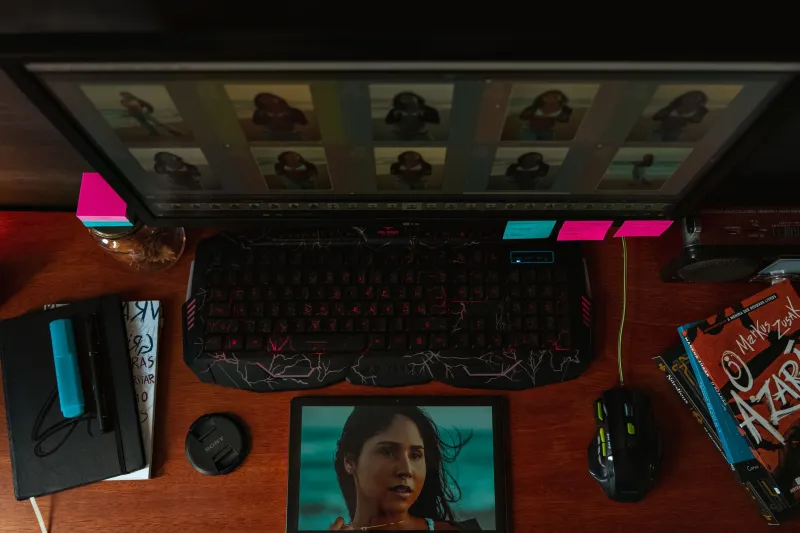
Clients rarely see the hours in Lightroom catalogs, the proof spreads pinned to a monitor, the third revision of an album cover. But this invisible labor is not overhead — it is authorship. The photographer is the second storyteller, working after the fact to make sure the first story, the one that happened in front of the lens, is told with clarity and care.
The next time a gallery arrives and the sequencing feels effortless, the colors feel inevitable, the album seems to turn itself — know that none of it was. Someone made it look that way.