The Objects We Cannot Keep: How Heirloom Photography Turned Memory Into a Portrait Session
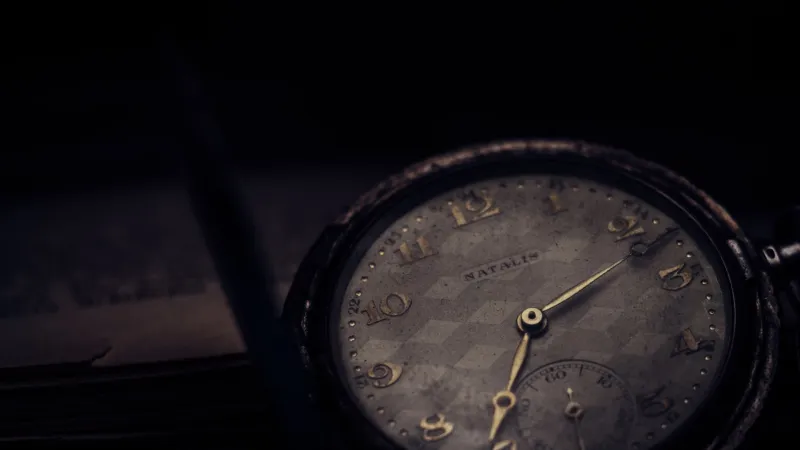
On a Tuesday morning in a converted barn studio outside Asheville, North Carolina, a photographer spends three hours lighting a single object: a man's wristwatch, its crystal scratched, its band worn thin at the clasp. The watch belonged to her client's grandfather, who repaired locomotives for forty years. The client cannot keep the watch — her home is small, her estate settled, her storage options exhausted — but she can keep the photograph.
Scenes like this are unfolding in studios from Portland to Providence, and they signal something larger than a stylistic trend. Heirloom photography, once a curiosity at the margins of the still-life genre, is becoming a genuine professional specialty, one that speaks directly to a moment in American life when the things we love and the space we have no longer align.
Portraiture Without a Face
The craft borrows its sensibility from portraiture more than product photography. Where a commercial shooter isolates an object to make it desirable, the heirloom photographer aims to make it known. Lighting is sculpted to reveal wear rather than conceal it. Angles are chosen the way a portrait artist chooses a subject's best light — not to flatter, but to reveal character.
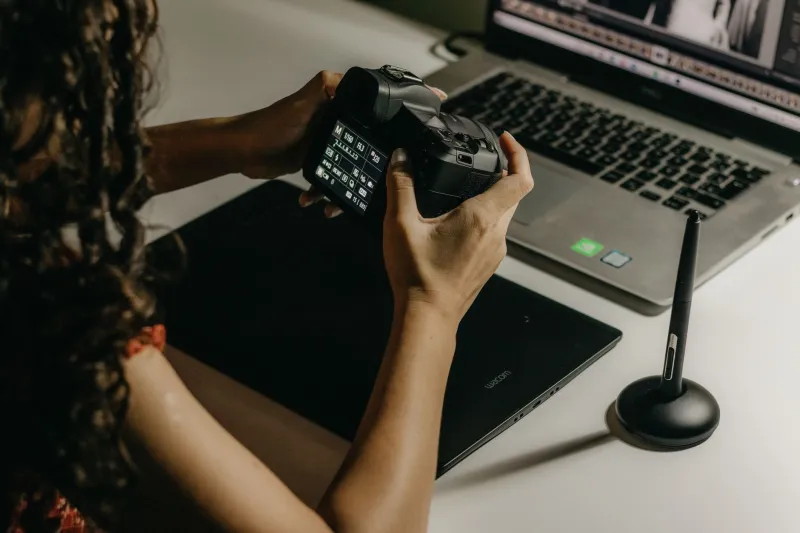
Practitioners describe their sessions in language borrowed from family photography. There is the intake conversation, in which clients recount the object's history. There is the moment, common enough that most photographers anticipate it, when a client becomes emotional seeing the finished image of a sewing machine or a military medal.
The technical demands are real. Fabric, wood, silver, and paper each demand different approaches to light and exposure. A quilt's stitching reads differently under a large diffused source than under a small hard one; a pocket watch's engraved case back may require focus stacking to render legibly. Photographers entering this niche often report that their product work prepared them technically but not emotionally. Nothing in a catalog shoot prepares you for a client who cries at the sight of her late mother's rolling pin, rendered in perfect detail.
Why Now: The Great American Edit
The timing is no accident. The United States is in the midst of a sustained, culturally celebrated downsizing. Minimalism content dominates social platforms, estate-sale culture thrives, and the baby boomer generation — custodians of decades of accumulated family belongings — is transitioning homes in enormous numbers. Their children, often living in smaller urban housing, frequently cannot absorb the inheritance.
Into that gap steps the photograph. An image of grandmother's quilt occupies no closet space. A framed print of a father's tool chest hangs in a hallway where the chest itself could never fit. In this sense, heirloom photography functions as a compression technology for memory: it reduces the emotional footprint of an object while preserving, and arguably intensifying, its meaning.
There is also a psychological dimension that photographers in the field describe consistently. The act of commissioning a formal portrait of an object is itself a ritual of acknowledgment. It tells the client: this mattered. In a culture that often treats letting go as a moral failing or a decluttering triumph, the heirloom photograph offers a third option — release without erasure.
Building a Practice Around Belongings
For working photographers, the niche represents something increasingly rare: a service with low competition, deep emotional value, and pricing power that reflects both. Session fees in established markets commonly range from several hundred dollars for a single-object sitting to well over a thousand for multi-piece family collections, with print sales and album packages extending the revenue further.
Marketing such a practice requires a different vocabulary than typical portrait work. Successful practitioners emphasize heritage, remembrance, and legacy in their messaging, and they partner with estate attorneys, senior move managers, funeral homes, and estate-sale companies — professionals who meet families at precisely the moment the question arises: what do we do with all of this?
The work also travels well online. A striking image of a well-worn object, accompanied by one line of its story, performs with a sincerity that algorithm-weary audiences respond to. Several photographers in the space built their client bases substantially through such posts, each image functioning as both portfolio and invitation.
Light as a Form of Respect
What elevates this specialty beyond novelty is the philosophy underneath it. Photographers who do this work well treat light as a form of respect. A harmonica is not styled; it is honored. A dented lunchbox from a thirty-year career on a factory floor is photographed the way a museum might document a relic — because to the family, that is precisely what it is.
In an industry perpetually chasing the next trend, heirloom photography is notable for pointing backward. Its subjects are old. Its values — patience, craftsmanship, remembrance — are older still. And its growth suggests that even in a culture of infinite digital images, there remains a hunger for pictures that do something pictures have always done best: hold on to what we cannot.
The grandfather's watch leaves the Asheville studio in a padded envelope, bound for a buyer found through an online auction. The photograph stays. It will hang in a hallway in a house the grandfather never visited, and every person who passes it will know exactly whose hands it kept warm.