The Gallery That Never Was: Inside the Hidden Life of Unchosen Photographs
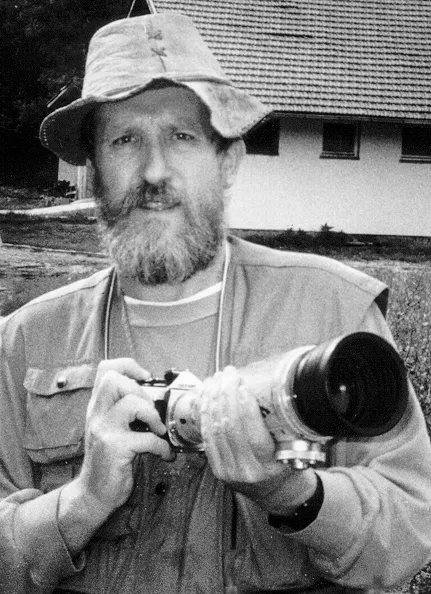
Photo: Geza Lennert, CC BY-SA 2.0, via Wikimedia Commons
In a modest studio outside Asheville, North Carolina, wedding photographer Dana Reyes keeps a 14-terabyte drive she calls "the vault." It contains ten years of work — or more precisely, ten years of everything that didn't make the cut. Ceremonial embraces shot at a slightly imperfect angle. A groom's father mid-laugh, technically out of focus but radiantly alive. Landscapes captured on scouting trips that never matched the couple's vision. By Reyes's estimate, fewer than ten percent of the frames she delivers to a lab ever reach a client's gallery. The rest live in the vault.
She is far from alone. Across the American photography industry, an enormous body of professional-grade work exists in a kind of commercial shadow — captured with intention, edited with care, and never shown to the person who paid for it. What happens to that work says a great deal about how photographers understand their own craft.
The Cull Is the Craft
Every professional shoot produces an embarrassment of riches, and the discipline of narrowing it down is as much a part of the technique as exposure or composition. Editors in the culling room — whether that room is a dedicated studio in Portland or a kitchen table in suburban Ohio — make hundreds of small judgments per session: the blink, the duplicated gesture, the frame where the wind cooperated just a little less.
Veterans of the process describe it as a form of authorship. The delivered gallery is an argument about which moments mattered, and every argument requires leaving evidence on the table. But unlike a painter who paints over the canvas, a photographer's discarded frames persist, fully rendered, waiting on a drive.
That persistence changes the psychology of the work. A painter's abandoned sketch is gone; a photographer's is retrievable. And retrievability invites a question that haunts many in the field: if an image is good enough to keep, why isn't it good enough to show?
Reclaiming the Outtake
A growing number of photographers are answering that question by treating their archives as raw material for personal projects. Portrait specialists have mined years of unchosen frames for documentary series about aging, family resemblance, and regional identity. A landscape shooter in Montana recently assembled a book entirely from "reject" skies — cloud formations captured during commercial assignments that never served the client's needs but turned out to be the most compelling weather she had ever photographed.
The economics are straightforward. The expensive part of a photograph — the travel, the client relationship, the hours on location — has already been paid for. An unchosen frame is a sunk cost that costs nothing to revisit. Turning it into a gallery print, a zine, or an editorial submission converts overhead into creative equity.
There is a craft consideration as well. Freed from a client's brief, photographers often edit differently. Colors get bolder. Crops get stranger. The work becomes, in a phrase several artists used independently, "more like mine."
The Weight of the Unseen
Not every photographer finds the archive liberating. Some describe a quieter burden — the knowledge that the majority of their finest technical work will never be seen by anyone. Ego plays a role, certainly; it is human to want one's skill witnessed. But photographers consistently point to something subtler: a sense of incompleteness. A photograph, they argue, isn't finished when the shutter closes. It's finished when someone looks.
This is why archiving practices matter more than most working photographers admit. A drive that fails takes with it not just backups, but an entire private retrospective. Increasingly, professionals are adopting museum-style habits — redundant storage, printed contact sheets, even periodic "archive shows" for friends and fellow photographers, where the vault is opened and the unseen work finally gets an audience.
Value Beyond the Invoice
For clients, the lesson is worth considering. If you've commissioned a session, asking a photographer what became of their favorite unchosen frames can open a door to work you'd never otherwise see — and sometimes to an image more honest than anything in the final gallery.
For the industry, the unchosen photograph is a quiet argument against measuring creative value by delivery alone. The ten percent that reaches a gallery wall is only the visible edge of a much larger body of looking, judging, and deciding. The other ninety percent isn't waste. It's the submerged mass that keeps the whole practice afloat — proof that a photographer's eye is at work long before, and long after, anyone is watching.
Reyes puts it simply. "The client buys the story I tell them," she says. "The vault is the story I tell myself." Both, in the end, are the art.