The Unpaid Second Shift: Partners and the Hidden Labor of a Photography Studio

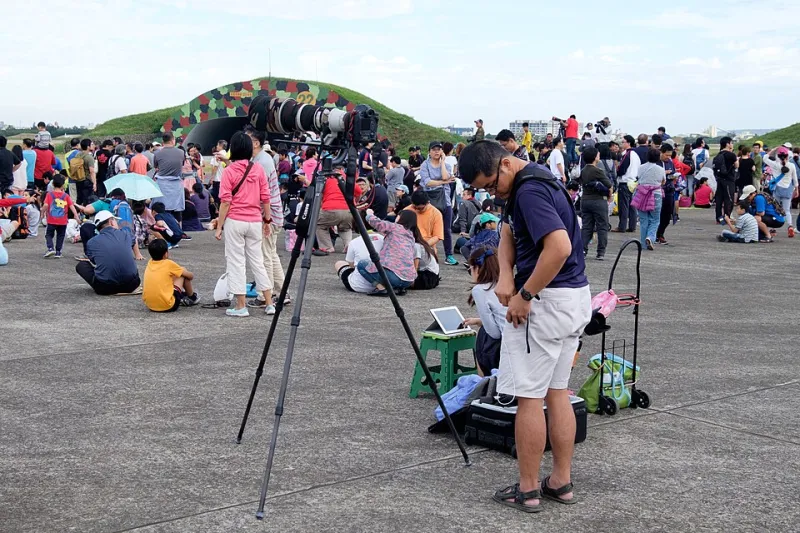
Photo: Throwawayacc222, CC0, via Wikimedia Commons
A photography business is often described as a solo practice. The description is incomplete. Behind many working photographers is a partner who answers the email at 10 p.m., culls the second card, packs the car, and keeps the calendar from collapsing. The camera may belong to one person. The studio often belongs to two.
In 2026, as studio costs rise and clients expect faster turnarounds, that unpaid and undercredited labor has become more visible—and more contentious. Photographers and their partners describe a division of work that is rarely written down, rarely compensated, and frequently misunderstood.
The Work That Does Not Appear on the Call Sheet
The tasks are ordinary: client emails, scheduling, invoices, model releases, gear hauling, snack runs, childcare, dog care, social posts, backup drives. Individually, each task looks small. Together, they form the connective tissue of a working studio.
A partner may never touch a camera and still shape the final gallery. One Austin photographer, who asked not to be named, said their spouse handles the first round of client communication and the last round of delivery logistics. The spouse knows which client prefers a phone call, which venue requires a certificate of insurance, and which invoice is overdue. The studio's client experience depends on a person who is not on the contract.
Culling is another hidden layer. The photographer makes the images; the partner may make the first pass through thousands of frames, flagging duplicates and obvious misses before the photographer makes final selections. It is not authorship, but it is judgment. It is also time.
Gratitude and Resentment in the Same Frame
Partners describe mixed feelings. There is gratitude for a shared project and resentment when the work is assumed. The resentment rarely arrives as a single argument. It accumulates in small asymmetries: the partner who cancels plans for a last-minute shoot, the photographer who forgets that dinner was the partner's responsibility, the household budget that absorbs studio expenses without discussion.
Childcare is the pressure point. A wedding photographer leaves before dawn and returns after midnight. A commercial shoot runs long because the light held. Someone must cover school pickup, bedtime, and the dog. When that someone is also the studio's de facto operations manager, the day has no clean edge.
A Baltimore photographer said the hardest part was not the work itself but the invisibility. Friends praised the photographer's eye. No one praised the partner who rebuilt the website, organized the archive, and kept the business running during a slow season. The praise gap is not vanity. It is a signal about whose labor counts.
Some partners have their own careers and treat studio work as a favor. Others become operations managers without title or pay. Both arrangements can work, but only when they are discussed. Silence is the ingredient that turns gratitude into resentment.
When the Partnership Becomes a Role
A fairer model begins with naming the work. Couples who run studios together can write down roles: who handles inquiries, who manages contracts, who edits, who pays bills, who covers childcare on shoot days. The list does not need to be rigid. It needs to be visible.
Compensation matters. Some couples formalize the partner as an LLC member. Others pay a monthly stipend or a percentage of studio revenue. Some hire a contract editor or a virtual assistant to remove the most burdensome tasks from the household. The point is not to monetize affection. The point is to acknowledge that labor has value.
Boundaries matter too. A partner who does not want to work in the business should not be drafted by default. A photographer who needs help should ask for it directly rather than assuming it. A weekly check-in can catch resentment before it hardens. A shared calendar can prevent the studio from swallowing every weekend.
A Fairer Division
The image of the lone artist obscures the crew. Photography is collaborative at the moment of capture and administrative afterward. The partner who packs the lights, answers the client, and keeps the household steady is part of the production, whether or not their name appears in the invoice.
Fairness is a production value. It protects the photographer from burnout, the partner from resentment, and the business from the fragility of unspoken dependence. The strongest studios are not solo. They are small, honest collaborations—sometimes between two people who never stand behind the same camera.