Permits Before the Picture: The Real Work of Shooting America's Public Places
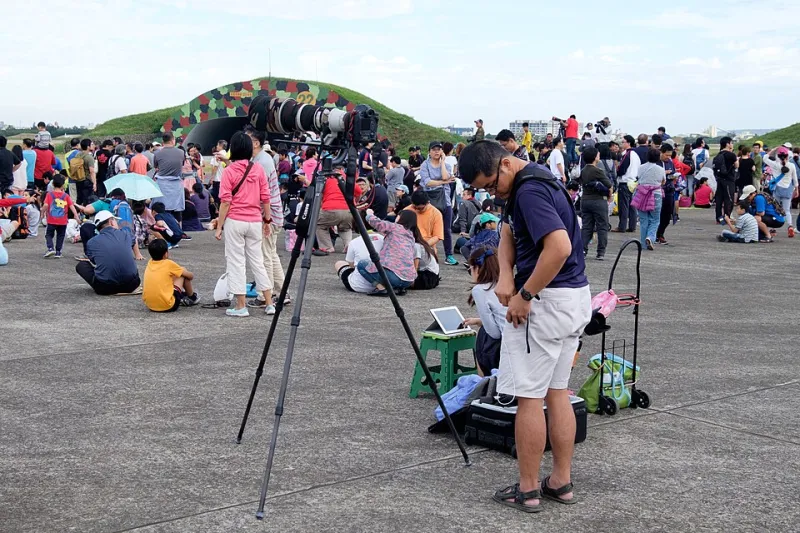
Photo: 玄史生, CC0, via Wikimedia Commons
Public space can look like a free studio. A beach at sunrise, a courthouse stoop, a national seashore dune—each appears open, unmediated, available. For a commercial photographer in 2026, the appearance is misleading. The photograph may take a fraction of a second; the permission to make it can take weeks.
The permit window is the interval between inspiration and lawful access. It is shaped by applications, insurance certificates, site plans, parking requests, and the quiet discretion of a park office. Photographers who work in public places do not escape bureaucracy. They learn to make it part of the production schedule.
The Beach Is a Set With a Rulebook
In Los Angeles, the coastline is a patchwork of jurisdictions. A commercial shoot on Santa Monica Beach can require a city film permit, a certificate of insurance, and a site-specific plan. Los Angeles County beaches operate under a separate permit system. A photographer who scouts at dusk on a Sunday may discover on Monday that the chosen stretch of sand sits inside a jurisdiction with different rules, different fees, and a different approval calendar.
The permit window is often measured in business days, not hours. A small portrait session may move quickly; a crew with lights, reflectors, and an assistant can trigger a longer review. Insurance requirements are routine but not trivial. A city may ask for a general liability policy and a certificate naming the municipality as an additional insured. The paperwork is not creative work, but it determines whether creative work happens.
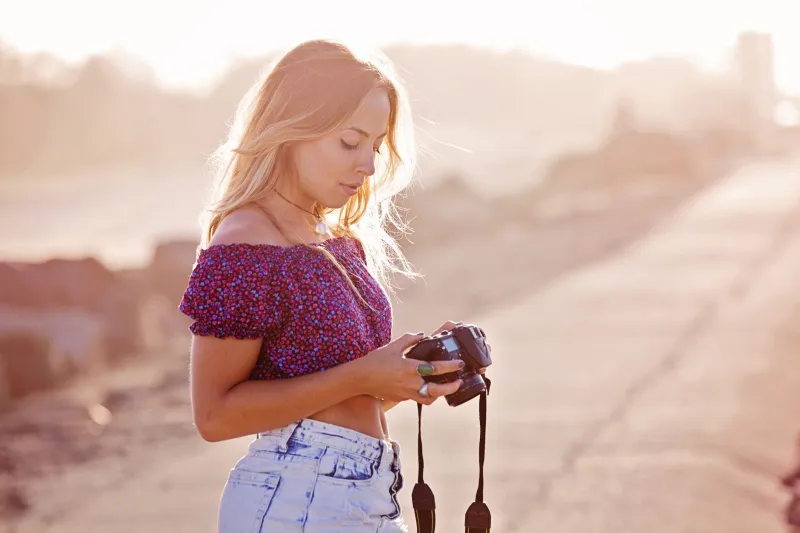
Photographers who shoot on public beaches describe a familiar rhythm: scout early, file early, shoot light. Natural light and a small footprint reduce complications. A single camera, one subject, and a reflector can often accomplish more than a truckload of gear that requires parking permits and a lane closure. The constraint does not diminish the image. It clarifies it.
Courthouse Steps and the Limits of Spontaneity
Philadelphia offers a different lesson in public access. The courthouse steps and civic buildings are visual anchors, but they are also working government spaces. Commercial photography on city property can require a permit from the city film office, proof of insurance, and coordination with building security. Nearby federal sites, including Independence National Historical Park, follow National Park Service rules for commercial photography.
The result is that spontaneity moves earlier in the process. A photographer cannot simply arrive with a client and begin directing among pedestrians and security lines. The shoot must be imagined in advance: where the party will stand, how the frame will exclude construction scaffolding, when the light will strike the stone, and which entrance will remain unobstructed.
One Philadelphia photographer keeps a folder of approved locations and blackout dates. The folder is not glamorous. It is the difference between a calm session and a canceled one. The courthouse steps are a civic backdrop, not a public studio. The photographers who succeed there treat the distinction with respect.
A National Seashore Is Not a Blank Canvas
Cape Cod National Seashore represents the longest permit horizon. The National Park Service manages commercial still photography through a permit process designed to protect resources and visitors. Fees and insurance vary with the scope of the shoot. Drones are prohibited. Tripods, lighting, and crew size may be restricted in fragile areas. A wedding party on a dune is not the same production as a commercial fashion crew, but both must fit inside the same conservation logic.
The permit office is not an enemy of photography. It is a gatekeeper for a landscape that would be damaged by unrestricted use. Photographers who work in national seashores learn to read tide charts, weather windows, and resource closures as part of the creative brief. They also learn that last-minute approval is rare. A forecast that turns favorable on Thursday does not reopen a permit office on Friday.
The Creativity Inside the Paperwork
Paperwork forces decisions. What is essential? Can the story be told with one camera and one subject? Does the location need a crew, or does it need patience? Photographers who thrive in public spaces treat permits as creative constraints rather than administrative insults.
They build relationships with permit officers. They file early. They charge for administrative time. They keep copies of insurance certificates and site plans. They scout at the same hour as the shoot. They know which entrances are open, which rangers are on duty, and which rules are firm.
The permit window does not kill spontaneity. It relocates spontaneity to the scout and the plan. The photographer still waits for light, watches for gesture, and responds to the unexpected. The difference is that the unexpected now happens inside a lawful frame.
In late 2026, many agencies post rules online, but the phone call still matters. A conversation can clarify whether a small session needs a permit or only a reservation. It can reveal that a proposed route crosses a protected area. It can save a shoot. The lesson for working photographers is not that public space is closed. It is that public space is shared, and sharing has terms. The photograph is stronger when those terms are understood before the shutter opens.