Upstairs, Above the Hardware Store: The Quiet Return of the Neighborhood Photography Studio
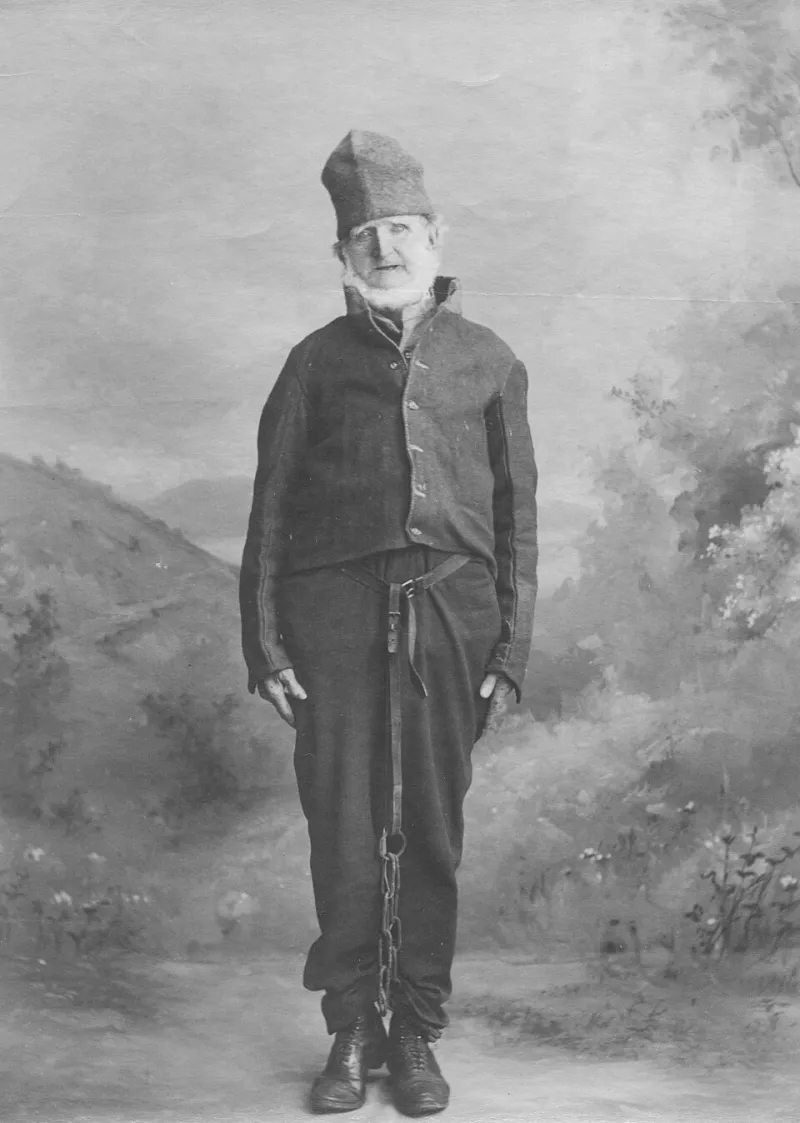
Photo: John Watt Beattie, Public domain, via Wikimedia Commons
The staircase smells like the bakery below it. That is the first thing clients notice when they climb to Marisol Vega's studio on the second floor of a century-old brick building in Hudson, Ohio — a detail no downtown high-rise lease could ever manufacture.
Vega is one of a growing number of American photographers rethinking where the work actually happens. Priced out of some city cores and untethered from others by the slow unraveling of the five-day commute, they are moving their studios into converted barns, renovated garages, and upper floors of small-town main streets. The migration is quiet, but it is changing the texture of the profession.
The Economics of the Exit
For decades, visibility was the argument for a street-level studio. Foot traffic meant walk-ins; a storefront sign doubled as advertising. But the calculus has shifted. Commercial rents in many downtown districts have not softened nearly as quickly as the traffic that once justified them, while remote work has scattered clients across suburbs and small towns that photographers once drove past on their way to the city.
"My overhead dropped by two-thirds, and my booking rate went up," Vega says. "Clients aren't finding me by walking past a window anymore. They find me online, then they come to me on purpose. When someone makes a deliberate trip to your door, the session starts before the camera comes out."
That distinction — arriving on purpose versus wandering in — turns out to matter more than anyone expected.
What the Space Teaches
In a converted dairy barn outside Burlington, Vermont, portrait photographer Dane Whitfield has discovered that the building itself shapes the photographs. Exposed beams, north-facing windows, and creaking floorboards give his work a texture that a seamless white-wall studio never offered.
"Clients arrive relaxed," he explains. "Nobody feels like they're walking into a corporate lobby. A barn says you can exhale here, and that shows up in their shoulders, in their eyes."
Other photographers report similar effects. A garage studio in Austin becomes a blank canvas the owner can flood with a single window's light. A second-floor walk-up in Asheville offers a staircase that doubles as a set piece. The spaces are imperfect, and the imperfections are the point — they push photographers toward resourcefulness rather than equipment lists.
The Studio Tour as a Marketing Tool
Perhaps the most unexpected development is the rise of the studio tour as a promotional instrument. Short-form video of a photographer walking a client through a converted carriage house, pointing out a hand-built backdrop stand or a wall of framed heirlooms, has become one of the more effective trust-building formats on social platforms.
The logic is straightforward: a studio is proof of permanence. In a market saturated with photographers who operate out of cars and rented conference rooms, a dedicated space — even an unconventional one — signals commitment. It tells prospective clients that this is not a side hustle but a practice.
"The tour does the selling before I ever pitch anything," says Whitfield, whose barn videos routinely outperform his portfolio posts. "People aren't just evaluating my images. They're imagining themselves standing in that room."
Drawing the Client Map Closer to Home
The neighborhood move has also redrawn the client map. Vega's bookings now come overwhelmingly from within a fifteen-mile radius — families, small-business owners, high school seniors — a base she describes as steadier and more referral-driven than her old downtown clientele.
"When your studio is around the corner from your clients' lives, the relationship doesn't end at delivery," she says. "They run into you at the farmers market. They bring their neighbors. The work compounds in a way it never did when everyone drove in from somewhere else."
There is a work-life balance ledger, too. The commute is a flight of stairs. Late sessions no longer mean a forty-five-minute drive home. But several photographers acknowledge the trade-off: the studio is always, in a sense, upstairs from the rest of life, and boundaries have to be built deliberately.
A Return With Old Roots
Historically, none of this is new. The portrait studios of the nineteenth and early twentieth centuries were, more often than not, upstairs rooms on Main Street — above the druggist, next to the lawyer's office. What looks like a trend is, in some ways, a homecoming.
What is genuinely new is the intentionality. Today's photographers are not settling for upstairs rooms; they are choosing them — for the light, for the economics, for the proximity to the communities they photograph. In an era when anyone can shoot anywhere, the decision to root a practice in one specific place has become a statement in itself.
"People ask if I miss the city," Vega says, gesturing toward the bakery sign visible from her window. "I tell them my clients know my address by heart. That's not a compromise. That's the whole business."
For a craft built on capturing light, the neighborhood studio offers something harder to measure: a steady source of it, drawn from the place itself.