Behind Every Invoice: An Honest Accounting of What a Photography Quote Really Buys
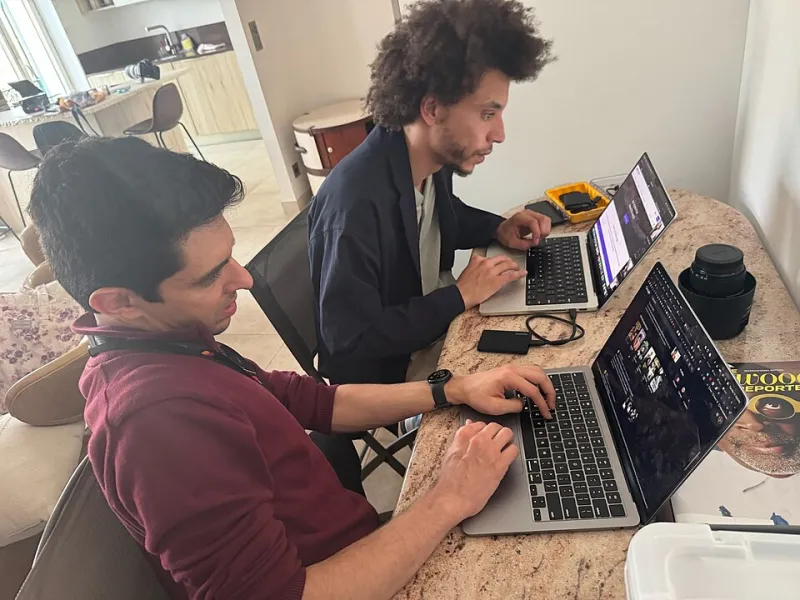
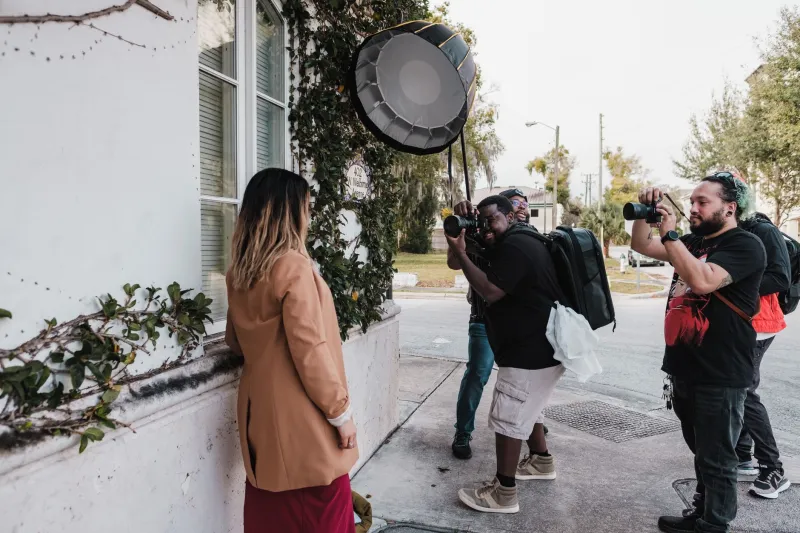
Photo: Jennifer 8. Lee, CC BY-SA 4.0, via Wikimedia Commons
Somewhere in America this week, a client will look at a photography quote, do quick mental math — two hours of shooting, say, at some imagined hourly rate — and conclude they're being overcharged. It's an understandable reaction built on an incomplete picture. What follows is an attempt to complete it.
The Hour You See and the Hours You Don't
A typical portrait or event engagement involves far more than the time spent behind the camera. Consider a representative breakdown for a mid-range family or wedding session:
- Pre-production: consultation calls, location scouting, shot planning, scheduling — often two to four hours before anyone picks up a camera.
- The shoot itself: the visible work, plus setup, lighting, and wrangling nervous subjects.
- Culling and editing: for every hour of shooting, professionals commonly spend two to four hours reviewing, selecting, retouching, and color-correcting. A wedding can represent forty to sixty hours of post-production.
- Delivery and administration: gallery hosting, print coordination, contracts, invoicing, and backup management.
Multiply that out and the "two-hour session" is more accurately a fifteen-to-twenty-hour project. The invoice reflects the project, not the afternoon.
The Capital Nobody Sees
Professional gear is not a one-time purchase. Bodies and lenses are replaced on three-to-five-year cycles. A working kit can easily represent $15,000 to $40,000 in capital that depreciates with every shutter actuation. Add liability insurance, business licensing, software subscriptions, backup storage, continuing education, and marketing, and the fixed costs of operating a legitimate photography business in the United States routinely run into thousands of dollars annually before a single client is served.
These costs don't appear as line items on a quote. They're baked into the rate, because they have to be.
Paying for the Eye, Not Just the Time
Here is the part that resists itemization: the decade of training behind the eye. A photographer's rate reflects thousands of hours spent learning to read light, anticipate gesture, and compose under pressure. When a professional walks into a dim reception hall and produces clean, flattering images without breaking stride, the client is not paying for the sixty minutes of shooting. They're paying for the ten years that made those sixty minutes look easy.
This is true across skilled trades — the carpenter who fixes in an hour what took twenty years to learn is a cliché precisely because it's accurate.
Why Cheap Photography Is Rarely Cheap
The market does offer $75 sessions. They exist. But the economics are unforgiving: photographers pricing that low cannot carry insurance, cannot maintain equipment properly, and cannot afford the editing time that separates a snapshot from a finished photograph. The result, predictably, is inconsistent work, missed deliveries, and studios that vanish between seasons.
Clients comparing quotes would do well to ask what's included: how many finished images, what retouching depth, what delivery timeline, what happens if the photographer falls ill. A professional quote answers all of these in writing. That alone is worth something.
A Fair Exchange
None of this is an argument that photography is priced too low. Rates vary enormously, and clients should absolutely shop within their budgets. It is simply an argument for informed comparison. When a quote arrives, understand that you are funding a small business's survival, a decade of invisible training, and hours of unseen labor — and that the photograph you hang on your wall is the only part of that equation you'll ever see.