Facing the Lens: When the Photographer Becomes the Subject
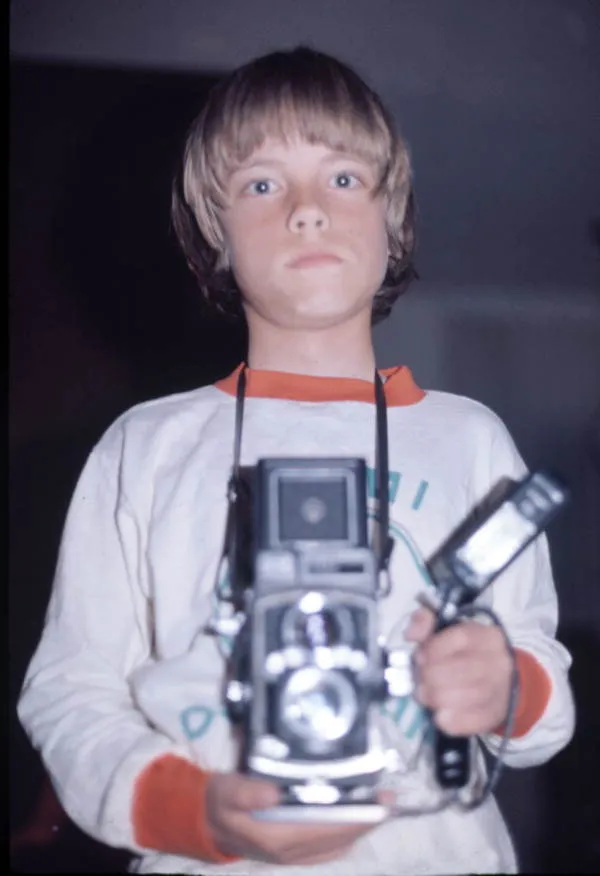
Photo: Florida Memory, Public domain, via Wikimedia Commons
The wedding photographer who has captured four hundred ceremonies can name the exact moment everything changes: the exchange of vows she almost missed because she was mentally flagging the backlight. So when her own wedding arrives, she does something that surprises her clients — she hires another photographer and hands over the camera entirely.
It happens more often than most people realize. Across the United States, working photographers routinely commission their peers to shoot their weddings, newborn sessions, anniversary portraits, and family reunions. On the surface, it is a practical decision. But underneath, it is one of the more instructive exchanges in the profession: the moment the person who usually controls the frame surrenders control of it.
The Strange Weight of Standing on the Other Side
Photographers describe the experience of being photographed with a vocabulary that sounds more like therapy than technique. There is the disorientation of not knowing what the frame looks like. There is the reflex to evaluate — the ISO the shooter selected, the way the light falls, the choice of focal length — running constantly in the background of what is supposed to be a personal moment.
"I caught myself turning my body to my good side before I realized there is no good side when you're the subject," one portrait specialist from Asheville, North Carolina, recalls of her own maternity session. "I had spent years coaching clients through exactly that insecurity, and there I was, living it."
That gap between professional knowledge and personal experience is precisely what makes the exercise valuable. Photographers spend careers asking strangers to be vulnerable on command. Few fully understand what that request costs until they receive it themselves.
What the Trained Eye Cannot Turn Off
Hiring a peer introduces a dynamic no ordinary client ever faces: the subject knows every trick of the trade. She notices when the photographer circles to find cleaner background. He recognizes the telltale pause that means a candid frame is about to be made. Some describe it as watching their own session in two channels at once — participating in the memory while simultaneously auditing the craft.
Seasoned shooters who photograph other photographers say the adjustment runs both directions. Subjects who work in the field tend to move differently, anticipate direction, and sometimes unconsciously pose themselves. The most skilled photographers hired for these assignments report deliberately slowing their process, explaining choices out loud, and treating the client's expertise as a collaboration rather than an obstacle.
"When I shoot another photographer's family, I narrate more," says a lifestyle photographer based in Portland, Oregon. "They relax when they understand why I'm asking them to stand where the window light wraps. It's the same technique I use with everyone — I just have to be more honest about it."
The Lessons That Travel Home
The most consistent outcome of being photographed is a permanent change in how photographers work afterward. The lessons tend to be small, practical, and hard-won.
The waiting feels longer than it is. Photographers who have stood in front of a lens report that a thirty-second adjustment period — fixing a strap, checking a setting — feels like an eternity to the subject. Many return to their own practice with a new habit of narrating their pauses or simply working faster between frames.
Direction lands differently than it sounds. Phrases that seem efficient from behind the camera — "chin down," "relax your hands" — can register as criticism from the front. Photographers who have been on the receiving end tend to rebuild their vocabulary around encouragement rather than correction.
The gallery is personal in a way no portfolio prepares you for. Seeing yourself the way your lens sees others — unposed, mid-laugh, occasionally unflattering — gives many professionals a new appreciation for how much trust clients extend when they open a delivered gallery.
A Tradition Hiding in Plain Sight
The practice of photographers hiring photographers has deep roots. Wedding professionals have long traded services within their local networks — a kind of barter economy that runs quietly through every regional photography community from New England to the Pacific Northwest. Industry groups and online forums frequently host threads where professionals swap sessions, and second-shooting arrangements often evolve into standing exchanges: your family this fall, mine next spring.
What has shifted in recent years is the openness around it. Social media has made the phenomenon visible, with photographers posting behind-the-scenes glimpses of their own sessions and reflecting publicly on the discomfort and the insight. The confession is nearly always the same: I had no idea it felt like this.
Why It Matters for Clients
For anyone hiring a photographer, the trend carries a quiet reassurance. A professional who has recently been on the subject's side of the lens tends to bring a sharpened empathy to every session — a better sense of pacing, of reassurance, of when to lower the camera and let a moment simply happen.
The craft of photography has always been about seeing. But the photographers who periodically submit to being seen — who trade the viewfinder for the frame's other side — often return with the most important skill of all: the memory of what it feels like to trust someone else with your image, and the patience to honor that trust one frame at a time.