Fine Print, Lasting Pictures: The Conversations That Happen Before the Shutter Clicks
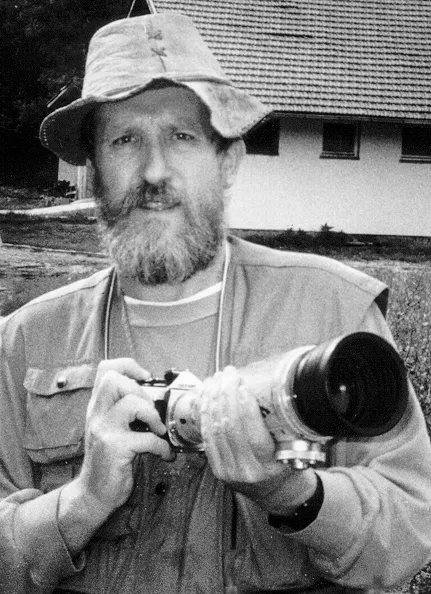
Photo: Cameron, Harry F., Public domain, via Wikimedia Commons
In the lobby of a converted warehouse in Portland, Oregon, a wedding photographer slides a twelve-page agreement across the table. The couple across from her scans it the way most Americans scan any contract — quickly, politely, with a pen already uncapped. She stops them at page four.
"This is the part that matters," she says, pointing to a paragraph about usage rights. "This is the part that protects your photographs."
For working photographers across the United States, the contract is not paperwork. It is the first act of the creative process — a document that determines how images will live, who may use them, and what happens when plans change. And yet, according to many of the professionals interviewed for this piece, it remains the most misunderstood element of the entire engagement.
The Misunderstood Middleman: What Licensing Actually Means
The single most common point of confusion, photographers agree, is image licensing. Clients frequently assume that hiring a photographer means purchasing the photographs outright — a reasonable assumption that does not match how copyright law works in the United States.
Under the Copyright Act of 1976, ownership of a photograph's copyright remains with the person who created it unless it is transferred in writing. What a client typically receives is a license — a defined set of permissions. A portrait client may be granted a personal-use license, permitting prints, holiday cards, and social media posts, but not advertising or resale. A commercial client may receive an exclusive license for a specific campaign, for a specific term, in specific media.
"The problem isn't the license," says a commercial photographer based in Atlanta who asked that his studio's name be withheld because disputes are ongoing. "The problem is that nobody explained it. A client puts an image on a billboard two years later, and suddenly we're in a conversation nobody wanted to have."
Veteran professionals increasingly treat the licensing conversation as client education rather than legal formality. Some include a plain-language summary page at the front of the contract. Others walk clients through a hypothetical: what happens if a portrait ends up in a company's Instagram feed, or a wedding image gets picked up by a national blog.
The lesson, repeated across dozens of interviews: a license is not a limitation on the client. It is a description of what the client is actually buying.
Cancellation Clauses and the Cost of a Rainy Day
If licensing generates the most confusion, cancellation clauses generate the most tension. Weddings are postponed. Portraits are rescheduled. Corporate shoots are scrapped when a campaign pivots mid-quarter.
Most professional agreements include a retainer — frequently non-refundable — that compensates the photographer for holding a date. What clients often do not see is the opportunity cost on the other side of the equation. A photographer who declines a second wedding to hold a Saturday in October has, in effect, turned down income that cannot be recovered.
"A retainer isn't a penalty," explains a Virginia-based wedding photographer who teaches contract literacy in a regional photography guild. "It's compensation for a promise. I said no to everyone else for that date."
The strongest agreements, photographers say, address rescheduling explicitly: deadlines for postponement, whether the retainer transfers to a new date, force majeure language for weather and emergencies, and clear terms for what happens if the client simply does not appear. In the wake of pandemic-era disruptions, American photographers have become notably more precise about these clauses — and notably more willing to explain them aloud rather than hope nobody reads them.
Deliverables, Timelines, and the Gallery That Isn't Ready Yet
The third recurring friction point is the deliverable timeline. Clients accustomed to the instant gratification of smartphone photography are sometimes startled to learn that a professionally edited wedding gallery may take six to ten weeks — and that the contract, not the client's impatience, defines that schedule.
Well-drafted agreements specify the number of edited images, the format of delivery, the timeline for previews versus full galleries, and how long the photographer will store files after delivery. They also address the archive question that clients rarely think to ask: how long will the raw files exist?
"People assume I'll keep everything forever," says a portrait photographer in Chicago. "My contract says I archive for twelve months after delivery. When I tell them that, they're grateful I told them — not angry I won't keep it forever."
The Disputes That Never Happened
The photographers with the longest careers tell a consistent story: the contracts that prevented conflict are the ones that felt most tedious at the signing table. The five minutes spent explaining usage rights prevented the cease-and-desist letter two years later. The paragraph about weather rescheduling prevented the awkward phone call the morning of an outdoor ceremony.
Some professionals now open every engagement with the same sentence: "Before you sign, let me tell you what this means." It is, they say, the single most effective practice in their business — a small investment of time that converts a legal document into a shared understanding.
Protecting the Art and the Relationship
None of this is adversarial. The photographers quoted here describe their contracts as instruments of trust, not suspicion. A clear agreement tells a client exactly what to expect, exactly what they may do with their images, and exactly what happens if life intervenes.
The craft of photography happens in light and timing and composition. But the craft of a sustainable photography career — the kind that survives to shoot another decade — begins with the fine print. Read it. Ask about it. The best photographers will be glad you did.