The Frame You Almost Missed: Inside the Quiet Discipline of the Second Edit
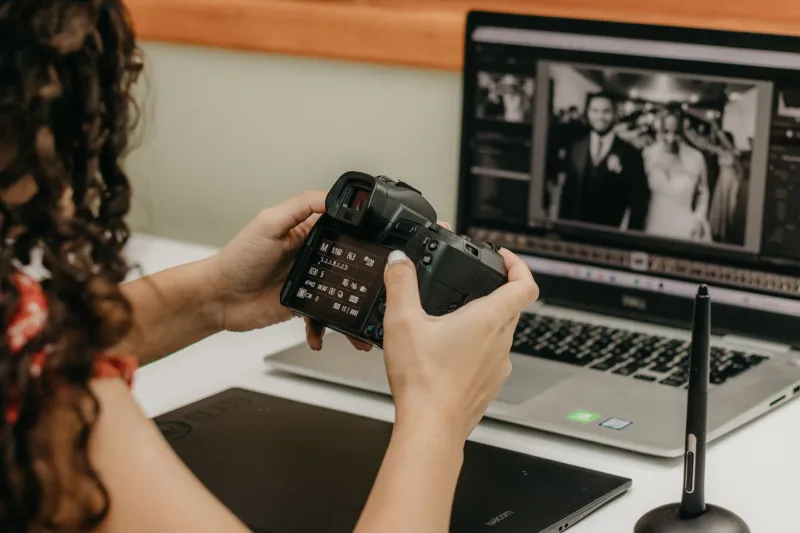
Every working photographer knows the ritual. The session ends, the cards are backed up, and within a day or two comes the first cull — fast, decisive, fueled by the memory of the moments that felt electric through the viewfinder. The favorites get flagged, the rejects get tossed, and the rest settle into the archive like sediment.
Then, weeks later, something strange happens. A frame nobody marked — a half-turned glance, a soft misfocus on the edge of a laugh — starts insisting it belongs somewhere. The best editors in the country have a name for this. They call it the second edit, and many now consider it the most important hour of the entire process.
Why the First Pass Lies
The problem with editing immediately after a shoot is that the photographer is still inside the experience. Memory anchors judgment to the moment of capture: the difficult lighting that was finally solved, the joke that broke the tension, the frame that felt like a triumph of technique. Those associations have nothing to do with how a client will actually respond to the image.
"You're editing the shoot, not the photographs," says one portrait photographer based in Portland, who now builds a mandatory two-week gap into every client delivery. "The first pass is pure adrenaline. The second pass is the truth."
Research in perception backs up the intuition. Emotional attachment to recent experiences skews selection toward images that confirm the story the photographer already believes about the session. Distance — even a week of it — loosens that grip. The frame that once looked like a mistake starts to look like a mood. The technically perfect hero shot starts to feel, in the cold light of later review, a little airless.
What Changes With Time
Editors describe three consistent shifts between the first and second pass.
Mood moves first. An image selected in a hurried, end-of-day state reads differently after a restful weekend. Color grading choices, crop decisions, even the sense of what a portrait is about — all of it drifts with the editor's own headspace. Giving the work time to breathe lets the photograph, not the mood, decide.
Technical panic fades. In the first pass, slightly soft frames are discarded on sight. Months later, editors routinely find that a whisper of motion blur reads as intimacy rather than error — particularly in documentary-style family work, where life rarely holds still.
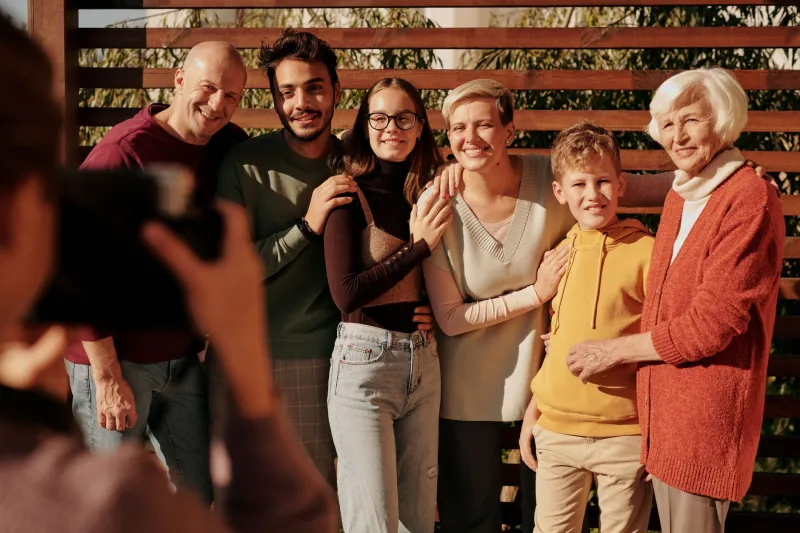
The client's eye emerges. Perhaps most counterintuitively, distance helps editors imagine the viewer. A photographer who spent forty-five minutes perfecting a composite family portrait will keep selecting it. A client looking at the gallery may connect instantly with the candid, imperfect frame taken two minutes later, when everyone forgot the camera existed. The second edit is where that frame gets found.
Building the Two-Pass Workflow
For creatives ready to institutionalize the practice, working editors suggest a simple structure.
Pass one: cull, don't curate. Immediately after the shoot, remove the unusable — closed eyes, technical failures, duplicates. Flag obvious candidates but resist final decisions. The goal is a manageable set, not a finished edit.
Wait. Two weeks is a common minimum; a full billing cycle works for portrait studios with room in the calendar. The delay should be long enough that the session stops playing in memory like a highlight reel.
Pass two: view in a different context. Many editors deliberately change their environment — a different room, a different screen, even a printed contact sheet on the kitchen table. Physical prints, in particular, reveal compositions that disappear on a backlit display.
Invite a second pair of eyes. A studio manager, a spouse, a trusted peer. They carry none of the photographer's attachment and will reliably gravitate toward frames the photographer has stopped seeing.
Deliver in tiers. Rather than a single polished gallery, some studios now deliver a first selection, then a short "rediscovered" set two weeks later. Clients, editors report, respond to the second set with a surprising regularity — often choosing their favorite print from it.
The Keeper Is a Process, Not a Moment
There is a quiet humility in the second edit. It admits that the photographer's first instinct, however skilled, is only one reading of the work — and that time is a collaborator no software subscription can replace. In an industry obsessed with capturing the moment, the most reliable path to the keeper may be the willingness to walk away from the archive and come back.
The frames are patient. They will wait. The best editors have simply learned to let them.